
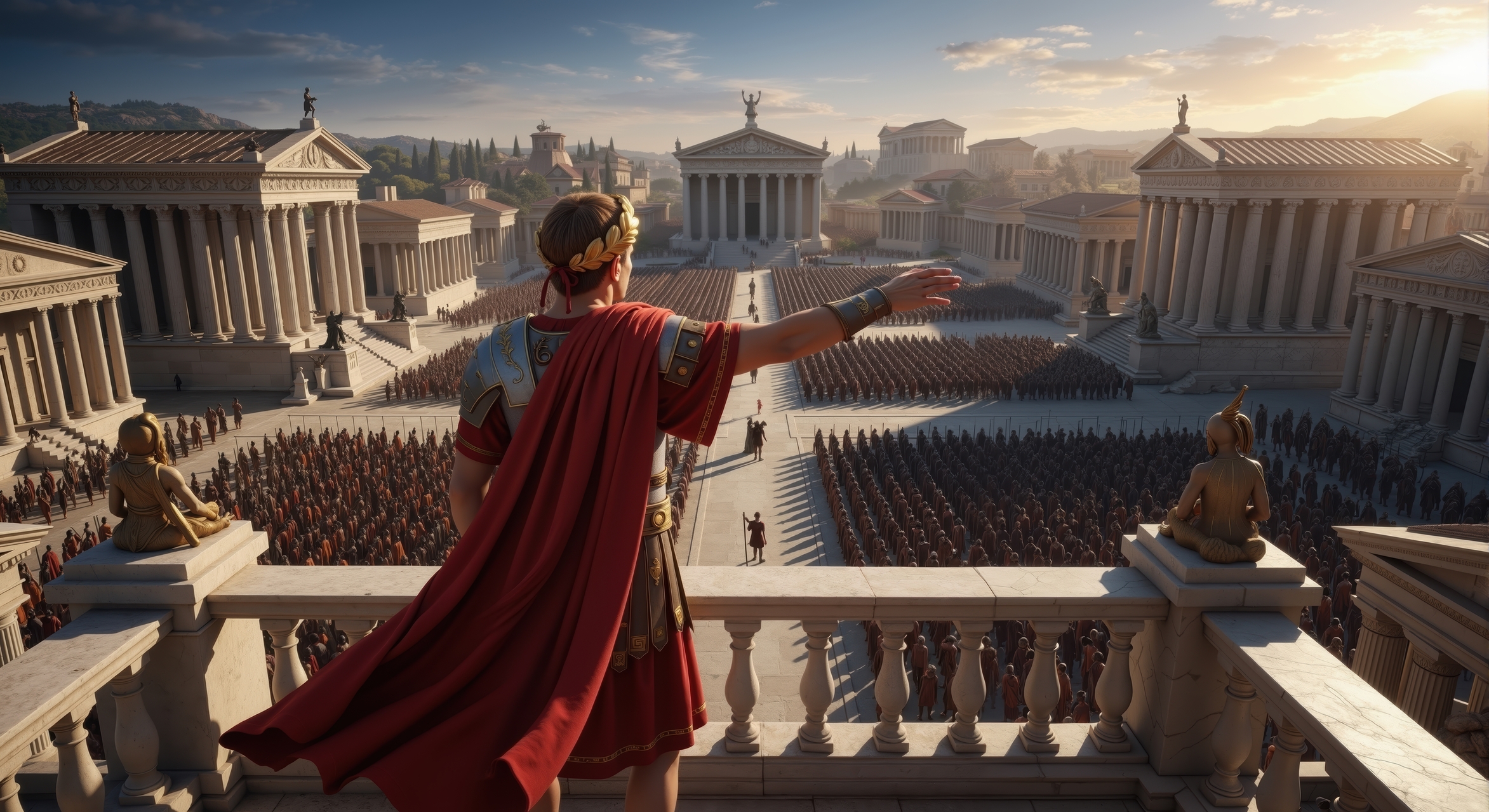
Putting Life into Perspective…
Those of you who are readers of history will perhaps appreciate this writing more than others. As an avid reader of biographies, particularly historic characters, I love to discover their thoughts, desires, and ambitions. It’s fascinating to learn about where they were born, where they traveled to, and where they passed (or where they were killed) and where they were laid to rest.
So far this year, I’ve read about a diverse slew of characters starting with the original Rockefeller, John D., and then one of the DuPont brothers, namely Alfred DuPont. After that, I dove into a bio on William Joyce aka the infamous Lord Haw Haw. My most recent completion was on Lord Alfred Milner, considered one of the last of the great British Empire builders. They all had extraordinary lives in their own ways. Never a dull moment, or at least that’s how the writers of biographies always seemingly depict their subjects.
Reading their stories, and any biography for that matter, has a way of putting one’s own life into perspective. It makes us contemplate what we’ve accomplished. We think about where we’ve been and who we’ve met. It has us reflecting upon our own ambitions, and reminiscing about our own happy and sad times. It also presses upon us the limited amount of time we have in our lives. We are mortals, mortals that are going to pass and eventually fade into oblivion. Some of us will leave a greater mark than others, at least for a time after we’re gone. Those who knew us may remember us whether they loved or despised us. Some of us may be remembered for a long, long time, while others not so much.
However, the one weakness I find in biographies is that of not placing their subjects into the historical passage of time. What do I mean by this? A biography is akin to a microscopic glance into a singular life. It talks about the events surrounding that life; however, a biography can’t do justice to placing the character into the larger context of history. As a result, these characters often seem larger than life, and they may have been during their time on Earth, but we must remember that life never started with them and never ended with them. “Life goes on,” as my father would always say to me.
Until recently, I’ve never recognized this weakness inherent in biographies. These characters often left me wowed with their important stories of ambition, zeal, and striving. What these books didn’t do was explain where to place them into the larger mosaic of life. Each book carries with it a story, but where does that story belong? Is it as important as the biographer might make it out to be?
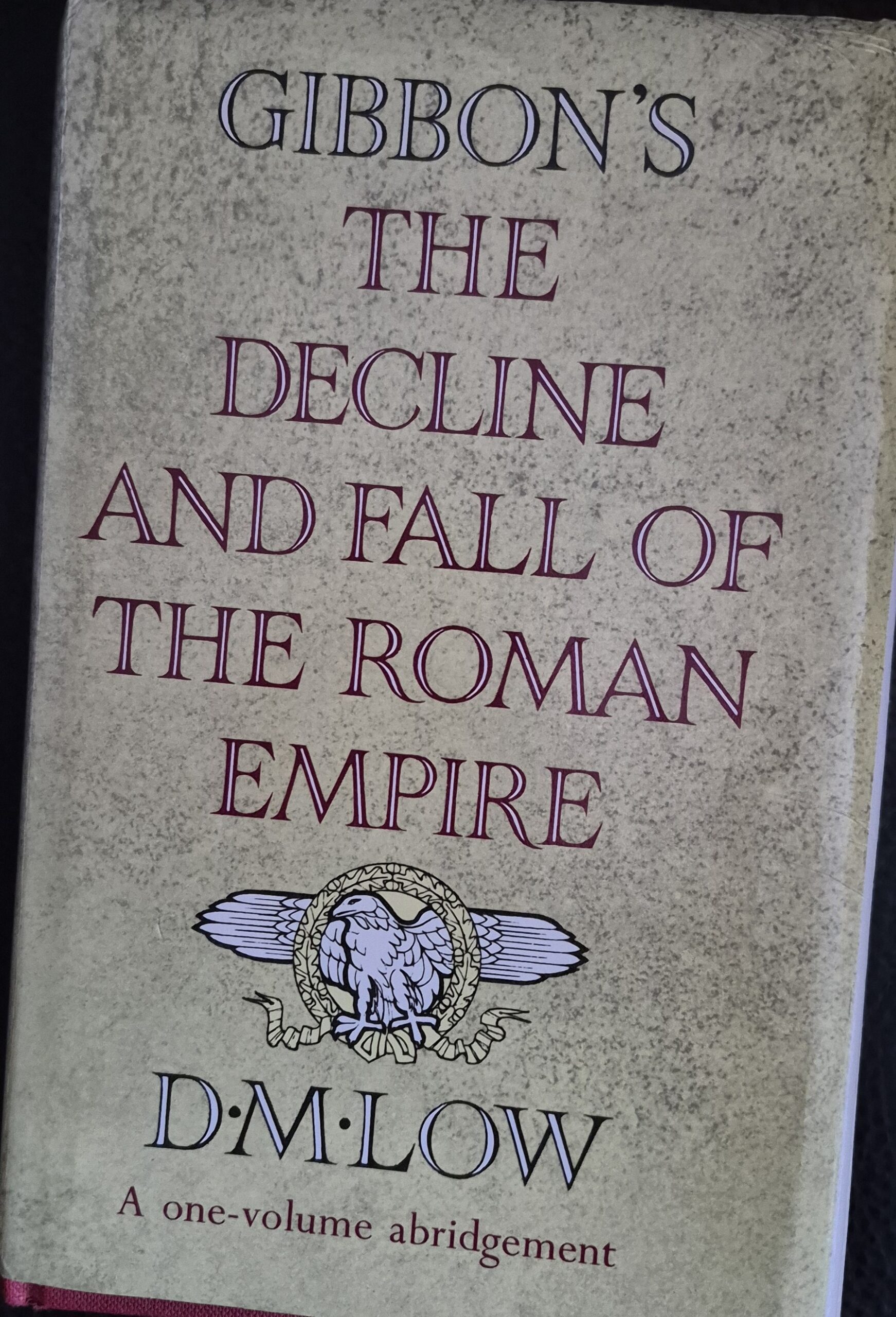 The discovery within my thinking on this subject came on a crisp fall day last year when I visited the University College used book sale at the University of Toronto. There, my eye caught an old, abridged version of Edward Gibbon’s epic tome The Decline and Fall of The Roman Empire. At 900 plus pages (abridged from six volumes into one by D.M. Low), it’s like taking a walk-through history. It’s within these pages that the power of time really comes to bear.
English historian and member of the British of House Commons, Edward Gibbon (1737-1794), wrote his masterpiece between 1776 and 1788 (already 250 years ago!), and it has largely stood the test of time. Buried within its pages are the stories of emperors, queens, princes, and princesses; battles fought far and wide; trickery, deceit, and connivance; betrayal, murder and carnage; paganism and Christianity.
From the founding of the Empire in 27 BC by Octavian to the initial splitting of it by Diocletian in 285 AD into the East and the West, and then the permanent split in 395 AD upon the death of Theodosius I, almost 1200 years had passed since Romulus had first founded Rome in 753 BC. The collapse of the Western Empire followed in 476 AD, while the Eastern Empire lasted almost another thousand years until Mahomet II, at the age of 21, conquered Constantinople in 1453 after a 53-day siege. After some two thousand and two-hundred years, the end of Roman times had finally arrived.
It’s this that struck a chord within me. It’s this that puts all the biographies I’ve ever read as pieces belonging to a larger mosaic of past times. After all, who remembers Romulus today? Who speaks of Octavian and Diocletian, and who wonders about Mahomet II, or better yet, who cares? Yes, historians, archeologists, and philosophers may care, but ask the average person in the street, and what do they know about it or care? It’s a sad state of reality, but realistically it’s also to be expected. They’re too busy making ends meet, attending their kids’ games, or attending a Taylor Swift concert.
Reading Gibbon is a lesson in modesty and humility. We are but specks on a broad spectrum of time, just passing through. If people don’t remember the great Roman emperors of the past, then how will they remember us to any extent? Life is fleeting. Here today, gone tomorrow. Enjoy it while it lasts, but let’s not take ourselves too seriously. Do the best we can, stay grounded, be charitable to our fellow travelers on this journey, and above all, don’t regret the past, but bask in the days to come.
As Roman Poet Virgil (70 BC – 19 BC) wrote in his epic poem The Aeneid: “sic itur ad astra” (“thus one journeys to the stars”), and it’s thus that one also puts life into perspective.
For more check out the Global Ebook Awards GOLD & SILVER Winner of 2014 & 2016, The C.A.T. Principle: Change, Action, Trust – Words to Live By available at Amazon and Barnes & Noble. See the latest Amazon reviews here. Sign up above and receive this blog to your inbox. Comments and thoughts welcome.


